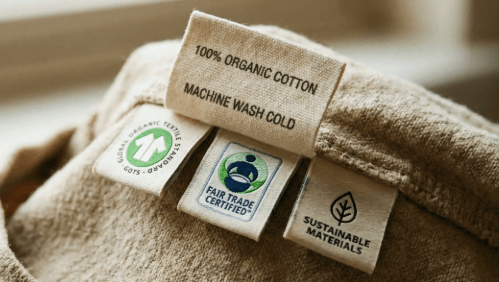
Ethical fashion brands claim responsibility through clear sourcing and fair labor, yet truth sits between promises and proven impact. The Field demands transparent material origins, verifiable audits, and measurable outcomes, not slogans. Critics ask who audits whom and how milestones are tracked. As disclosures multiply, readers are left weighing credible data against marketing. The stakes rise with consumer choices, and the responsibility now sits with brands to prove integrity beyond intent.
The Case for Ethical Fashion: What Makes a Brand Truly Responsible
The case for ethical fashion rests on a careful examination of a brand’s actual practices, not merely its rhetoric or certifications.
A genuine commitment scrutinizes the ethics of supply chains beyond slogans, exposing gaps, incentives, and power dynamics.
Transparency matters; so does accountability.
Critics highlight the impact of certifications, urging coherence between claims and on-the-ground actions for lasting, meaningful change.
How to Evaluate Brands: Materials, Labor, and Transparency
Brands that claim ethical credentials must be assessed on concrete criteria. The evaluation hinges on transparent disclosure of materials sourcing and labor practices, with attention to supply chain complexity and traceability. Independent audits, credible certifications, and public reporting illuminate real impact. Critics emphasize gaps between marketing and practice, urging skepticism and ongoing vigilance to prevent greenwashing and to uphold genuine ethical standards.
Brands You Can Trust: Spotlight on Global Leaders
Across the landscape of ethical fashion, a handful of global leaders consistently demonstrate verifiable impact through transparent sourcing, labor protections, and rigorous governance; their practices offer a benchmark for accountability rather than merely appealing branding. These brands disclose detailed impact metrics and uphold strict supply chain ethics, enabling informed choices. Critics note occasional gaps, urging continuous independent verification and broader stakeholder engagement for enduring trust.
Practical Guide to Ethical Shopping: For Your Everyday Wardrobe
Practical shopping for an everyday wardrobe requires moving beyond branding and toward verifiable practices that affect daily wear. Consumers examine transparency, traceability, and supplier disclosures rather than slogans.
A rigorous approach emphasizes ethical sourcing and fair labor, demanding audits, remediation plans, and clear milestones. While branding remains influential, informed choices hinge on measurable standards, ongoing accountability, and accessible, verifiable performance data.
See also: NFT vs Cryptocurrency: Key Differences
Frequently Asked Questions
How Do Ethical Brands Price Sustainability Initiatives for Consumers?
Pricing sustainability is scrutinized; brands balance costs and perceived value. They employ pricing transparency to reveal margins, yet consumer psychology often accepts premium narratives. Critics note opaque practices persist, while freedom-seeking audiences demand clear, verifiable impact and fair exchange.
Are Second-Hand Markets Always More Ethical Than Brand-New Purchases?
Second-hand ethics rarely guarantees absolutes; neither is a new purchase impact negligible. The analysis shows nuance: markets vary, incentives differ, and transparency matters more than label. A thorough, critical view favors informed decisions over blanket declarations, preserving consumer freedom.
How Can I Verify a Brand’s Supply Chain Claims Quickly?
To verify supply chain quickly, one should audit frequency, demand brand transparency, and require supplier mapping alongside impact metrics; due diligence reveals gaps. The approach remains thorough, critical, and freedom-oriented, yet skeptical about overstated claims.
Do Certifications Guarantee Truly Ethical Practices Across All Operations?
Certifications do not guarantee universal ethics; they have limitations. They can signal progress, yet certifications limitations exist. Rigor depends on independent oversight; supply chain audits reveal gaps, but ongoing vigilance and transparency are essential for meaningful accountability.
What Impact Do Fashion Influencers Have on Ethical Brand Transparency?
Influencers heighten consumer scrutiny, yet their impact on influencer transparency and brand accountability is uneven; some elevate accountability, while others obscure incentives. A thorough, critical view recognizes mixed effectiveness and urges independent verification beyond promotional narratives for genuine ethical clarity.
Conclusion
In sum, true ethical fashion hinges on verifiable systems, not glossy claims. Brands that publish independent audits, traceability data, and measurable impact metrics demonstrate accountability beyond marketing. One telling stat: only a minority of labels disclose full supply-chain details, underscoring the gap between intention and action. For shoppers, the value lies in demanding clear milestones, independent verification, and remediation plans tied to concrete timelines, ensuring commitments translate into real improvements rather than greenwashing.
